
Facreo CRM
A CRM built specifically for residential real estate — contacts, deal pipeline, tasks and follow-up, team permissions, and reporting that owners actually open. Designed for teams of 1 to 30 seats, priced flat rather than per user.
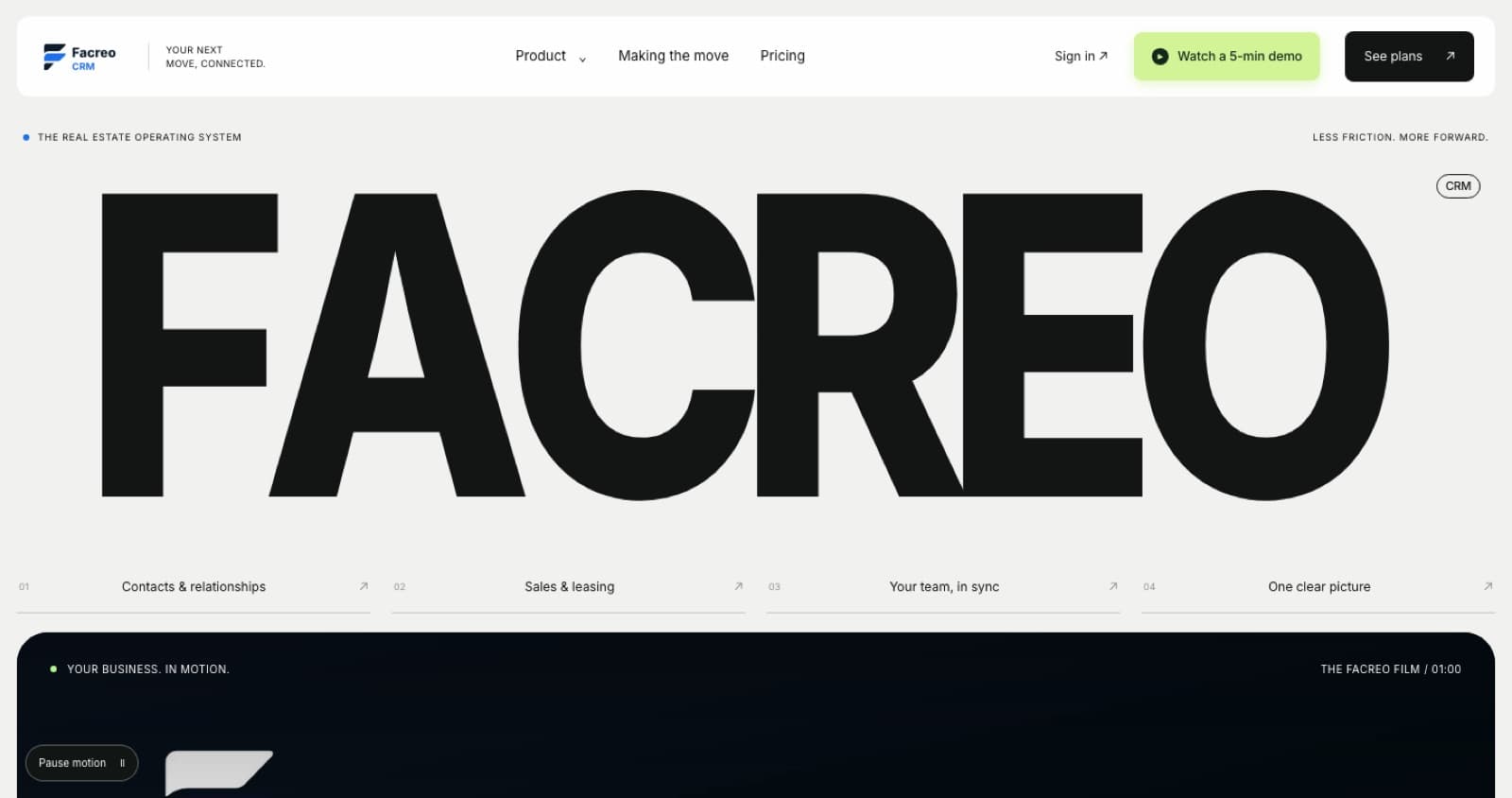
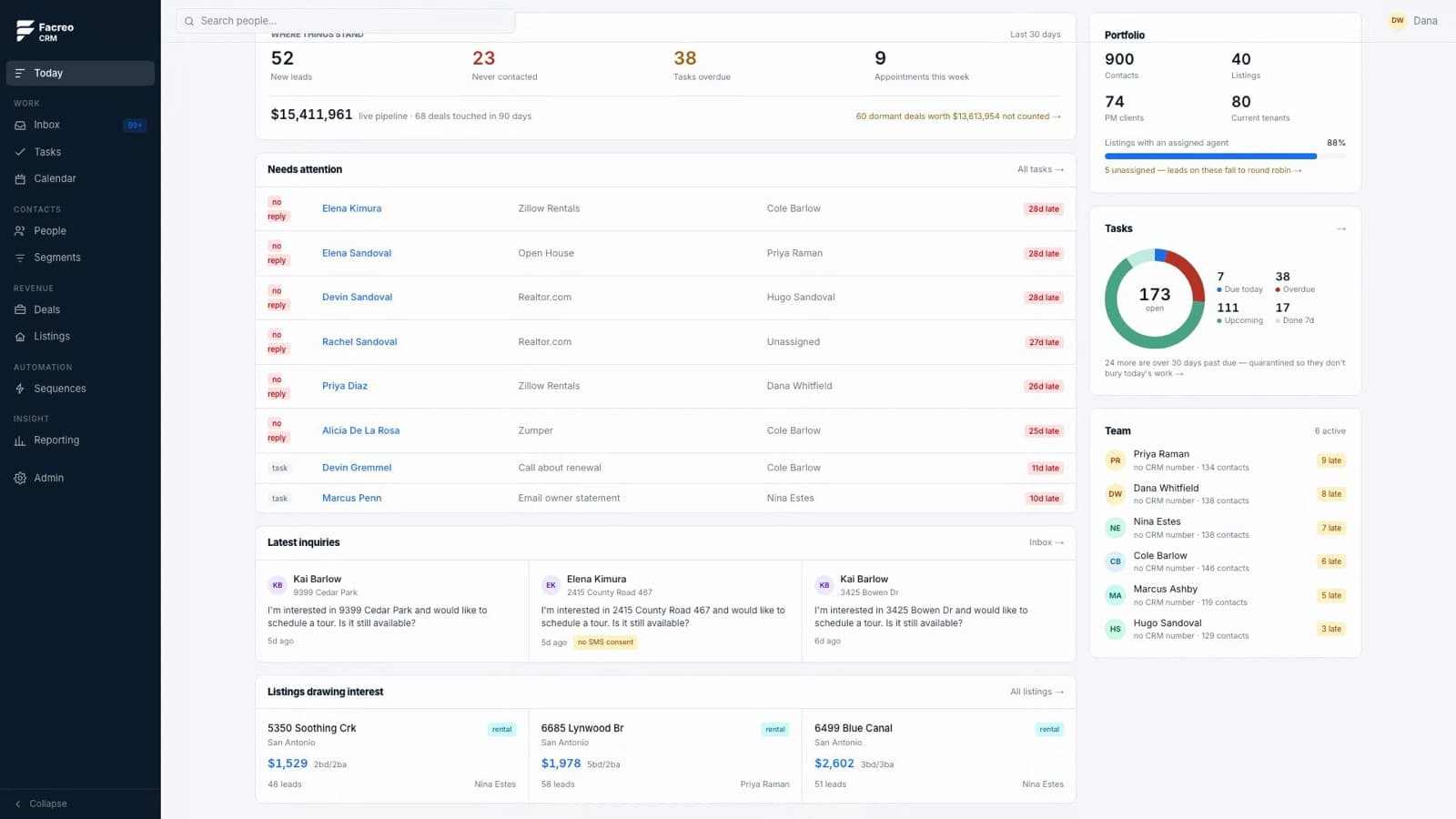
Facreo Systems builds and operates the systems real estate teams actually run on — a CRM for agents and brokerages, and an owner portal for property management firms. We own the code, so the roadmap answers to our customers rather than to a vendor.
Figures current as of September 2026.
We design, build and run multi-tenant SaaS end to end — schema, auth, billing, background jobs, deploys and monitoring. Not prototypes; systems with customers on them.
Property data lives in half a dozen systems that were never meant to talk. We pull it together, reconcile it nightly, and keep it accurate enough to make decisions from.
The screens the work actually happens on. Owner portals, agent pipelines, and reporting built for people who are not going to read a manual.
A CRM built specifically for residential real estate — contacts, deal pipeline, tasks and follow-up, team permissions, and reporting that owners actually open. Designed for teams of 1 to 30 seats, priced flat rather than per user.
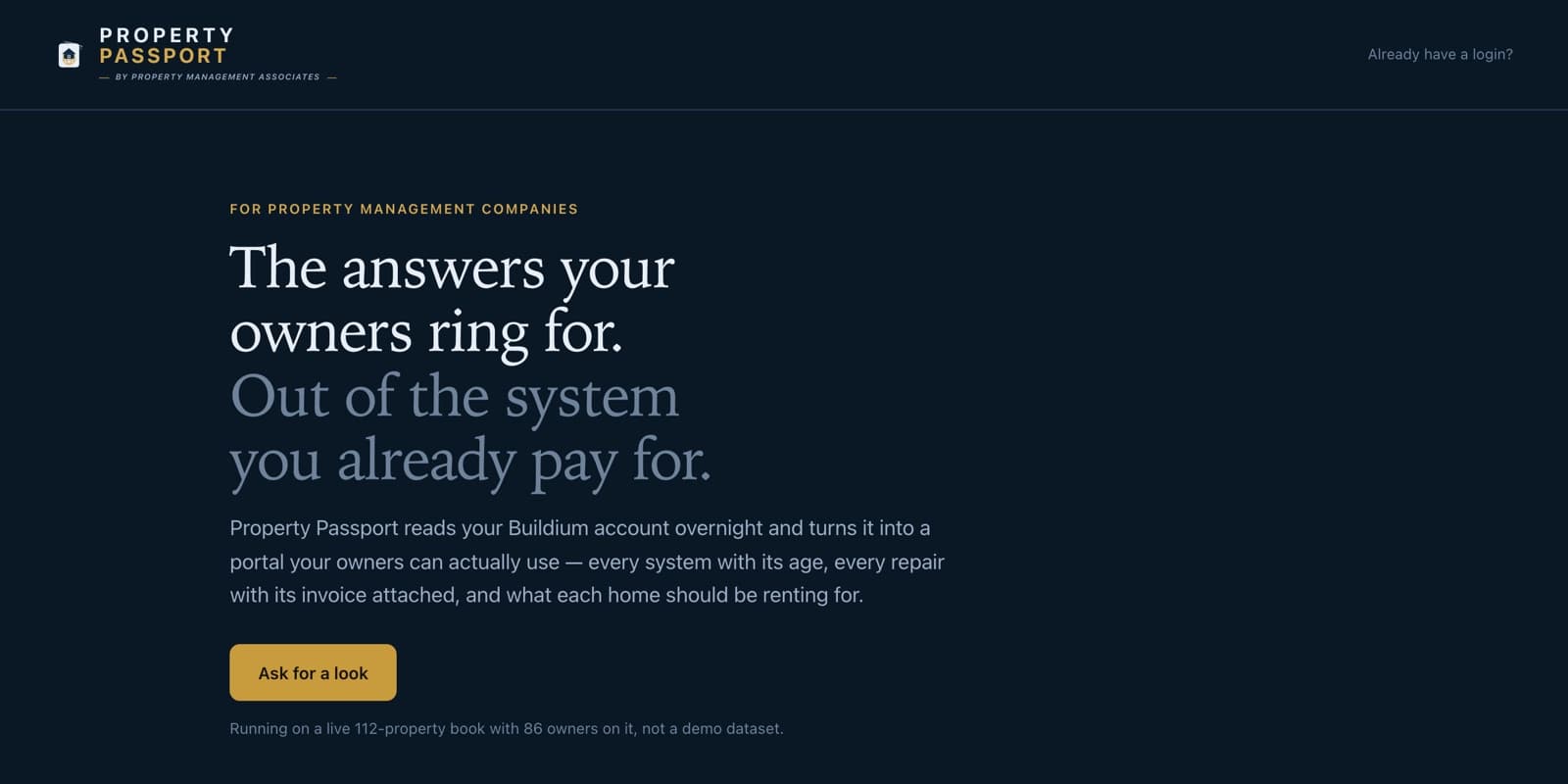
A portal for property management companies and the owners they report to. Every property carries a health score, a maintenance timeline, a document vault, live financials, and a capital forecast — all computed from real system records rather than typed in by hand.
Managing 20–100 active leads with no back office. Needs the system to work on day one, not after a week of configuration.
A team lead who needs visibility across agents, ownership rules so people only see their own clients, and reporting that reflects reality.
50–500 units, owners who want answers without ringing, and a maintenance and lease history that has to be defensible.
The same four steps whether it is one of our products or something built for you.
We sit with your actual process first — what happens, in what order, and where it currently breaks. No build starts before this is written down.
We read the systems you already pay for. Nothing is re-keyed by hand, and the migration keeps your history intact rather than starting you at zero.
You get a working system on real data, not a demo on sample records. It ships in weeks and we run it on our infrastructure.
Monitoring, support and ongoing changes come from the people who wrote the code. When you need something different, it ships.
The infrastructure is deliberately conventional. Interesting architecture is a liability when someone's rent roll is on it.
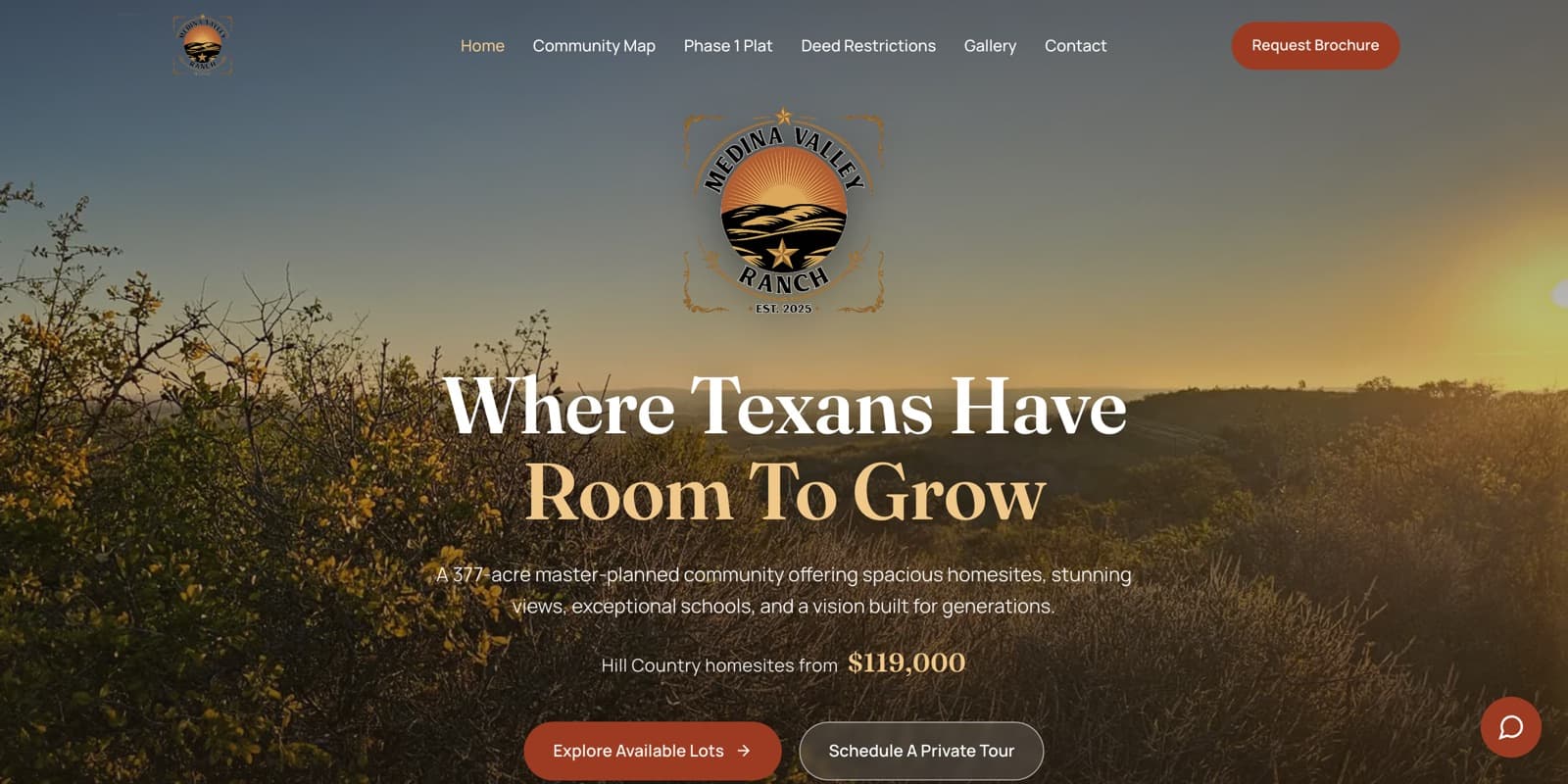
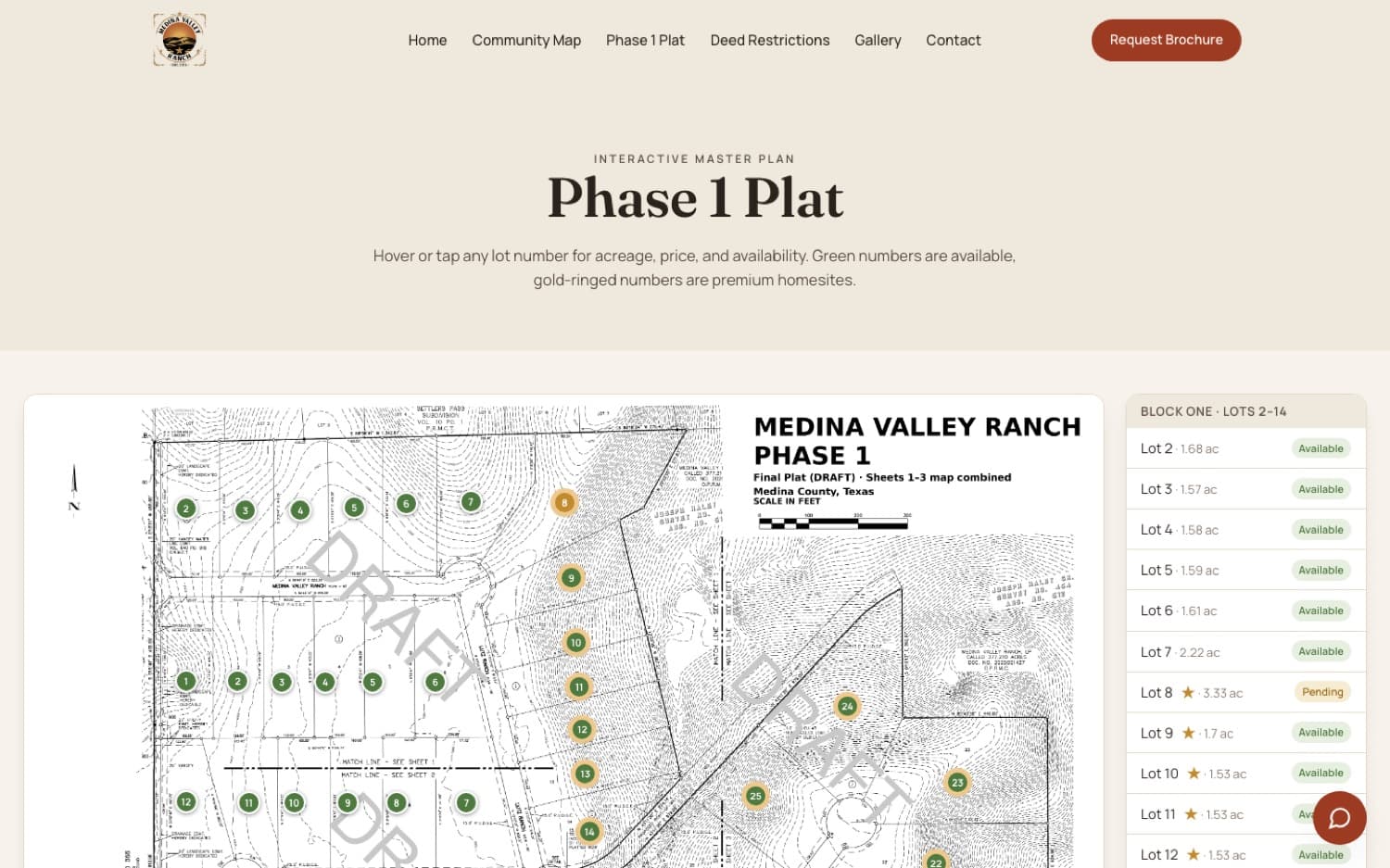
A 377-acre Hill Country development with an interactive community map, live lot availability, and brochure requests — all served from one platform through a public API.
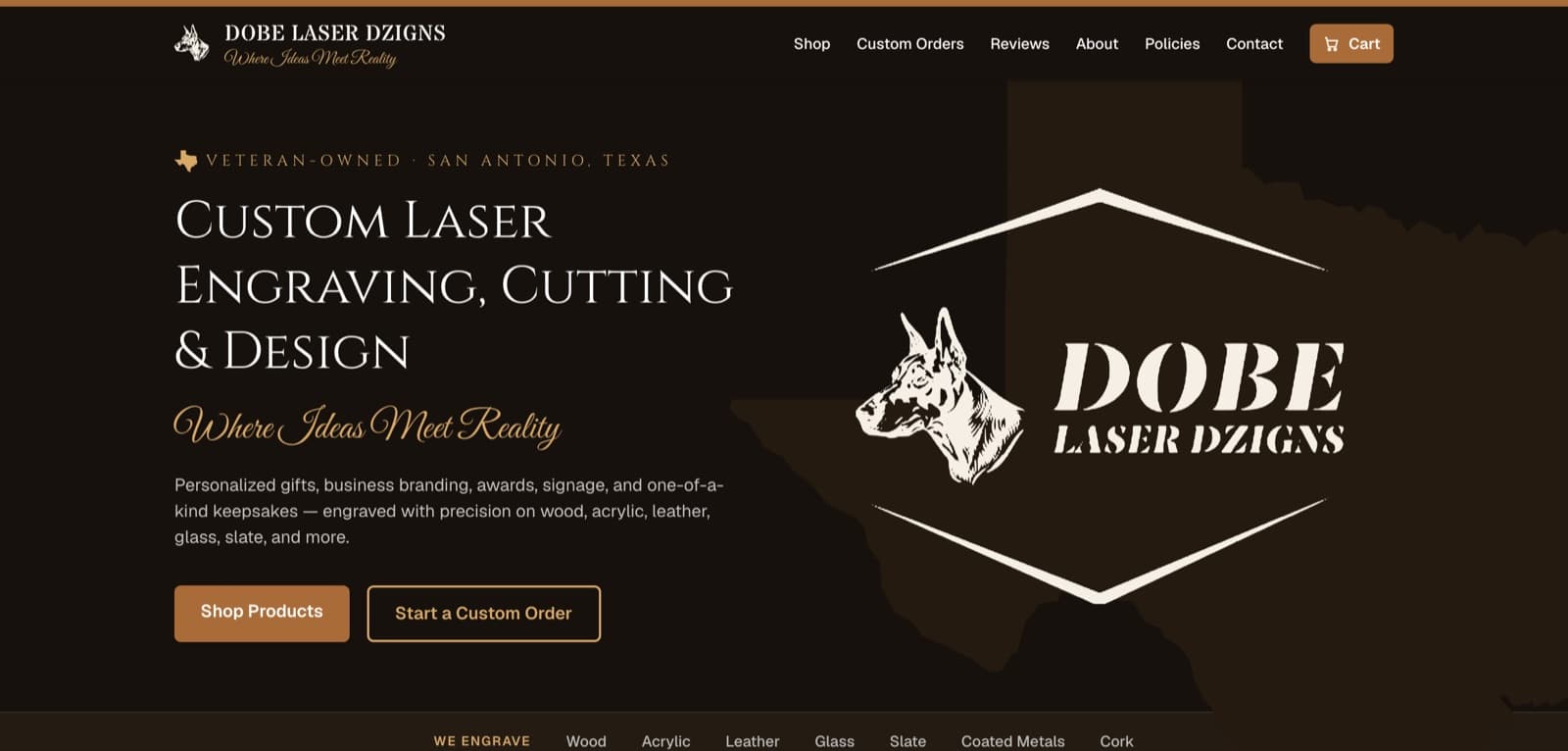
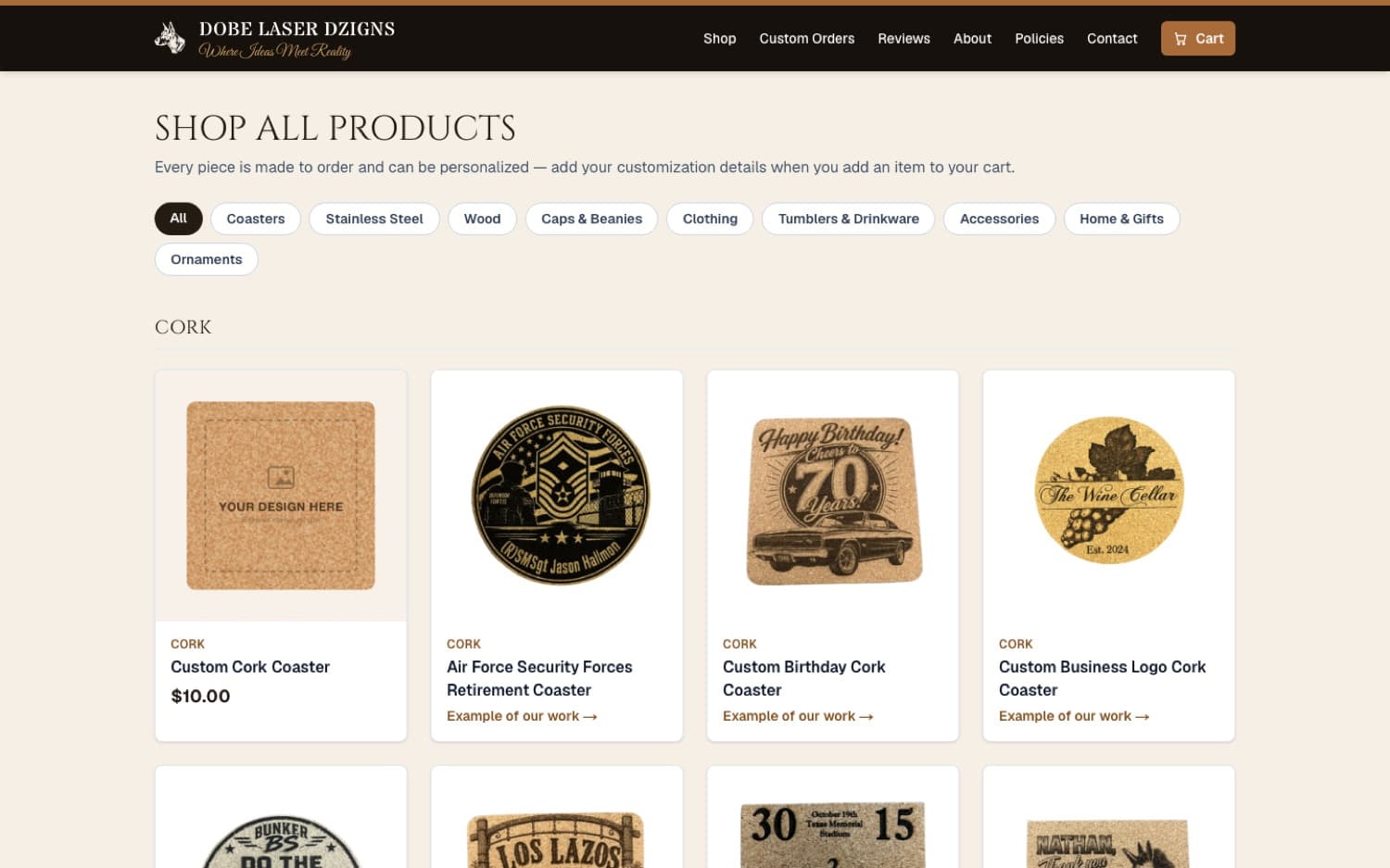
A storefront and owner-run admin panel for a veteran-owned engraving studio, plus a self-hosted dynamic QR system that replaced a $50-a-month subscription.
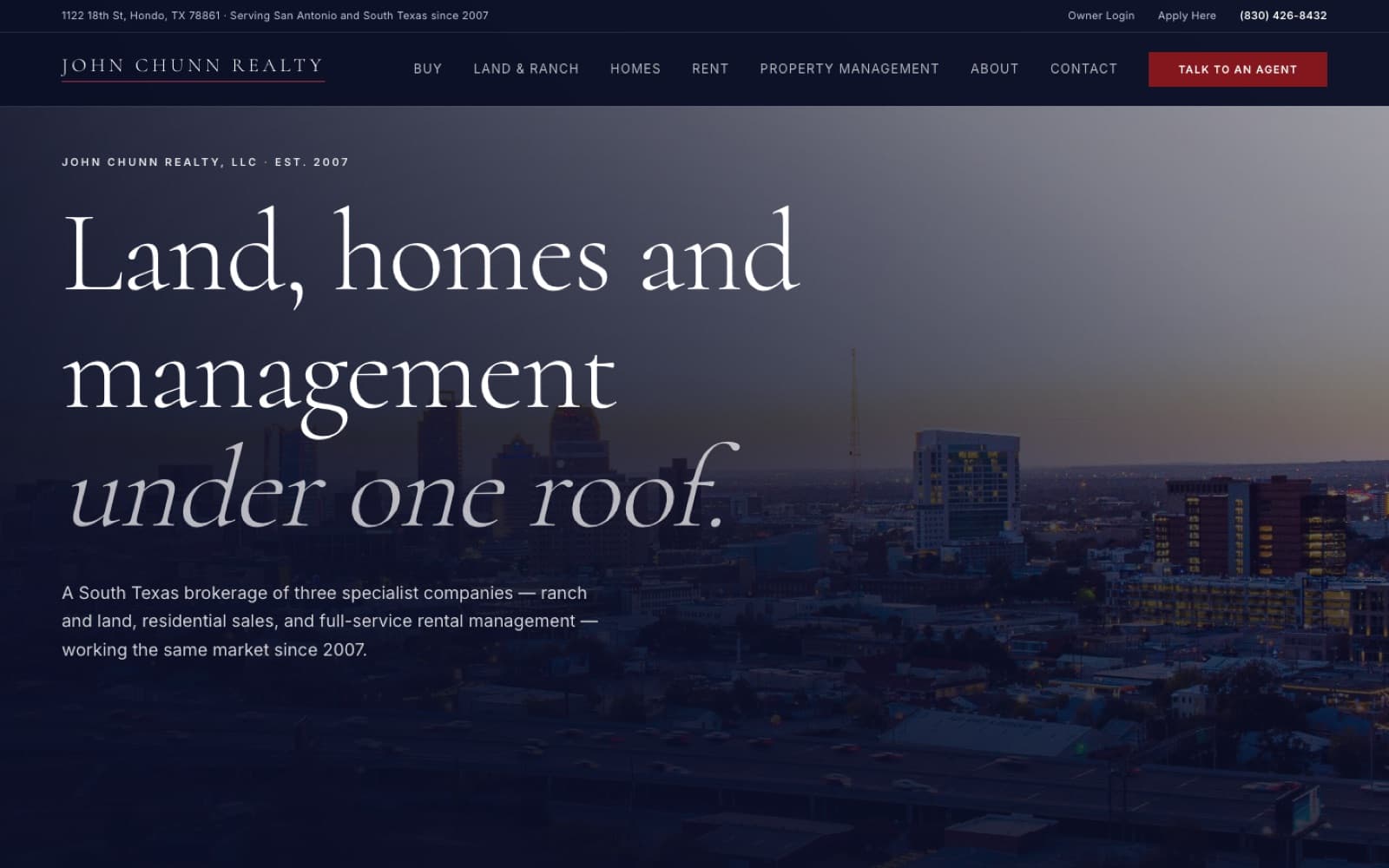
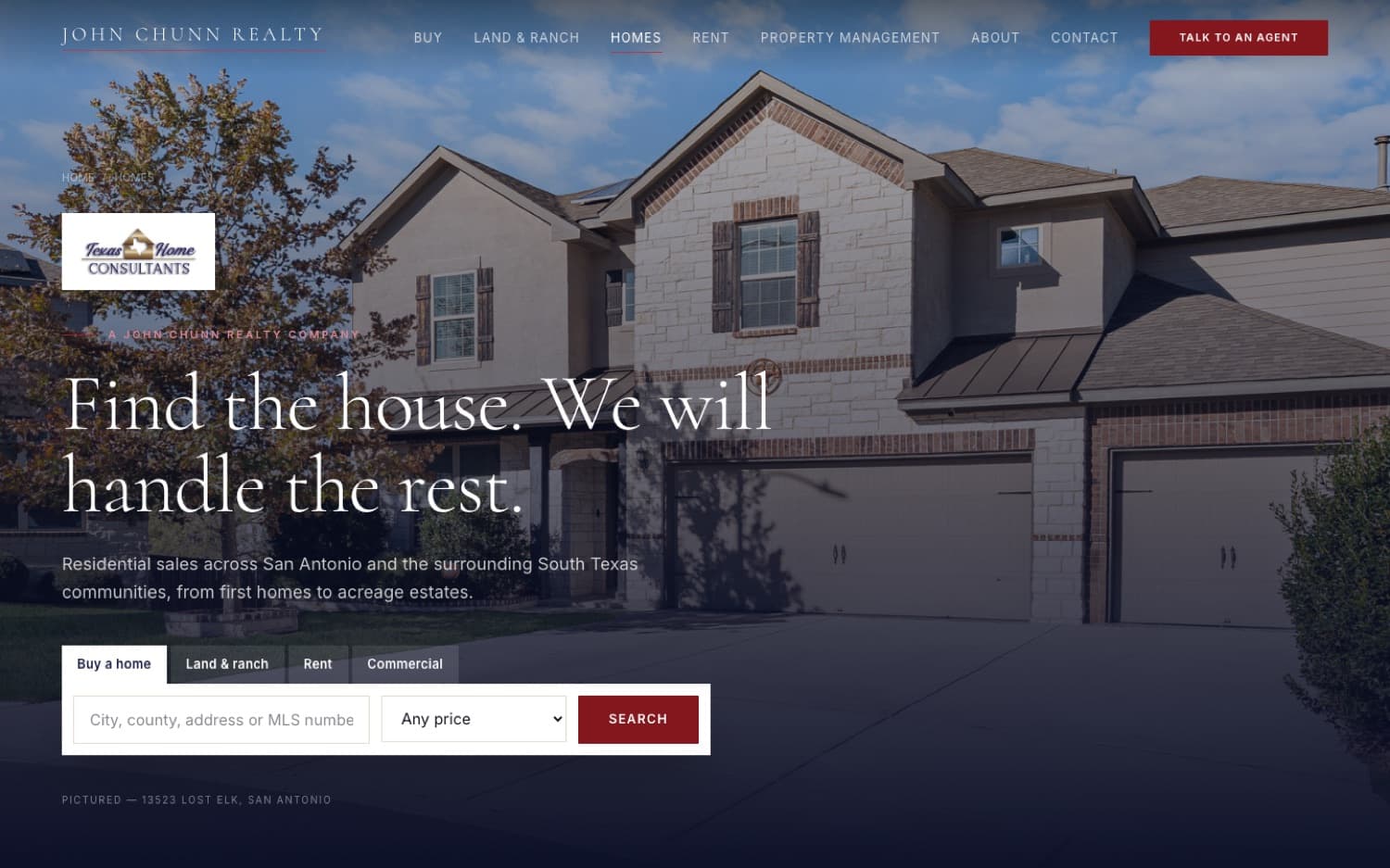
A South Texas brokerage bringing three specialist companies under one roof — ranch and land, residential sales, and full-service rental management — with its own search paths for buying, land, homes and rentals.
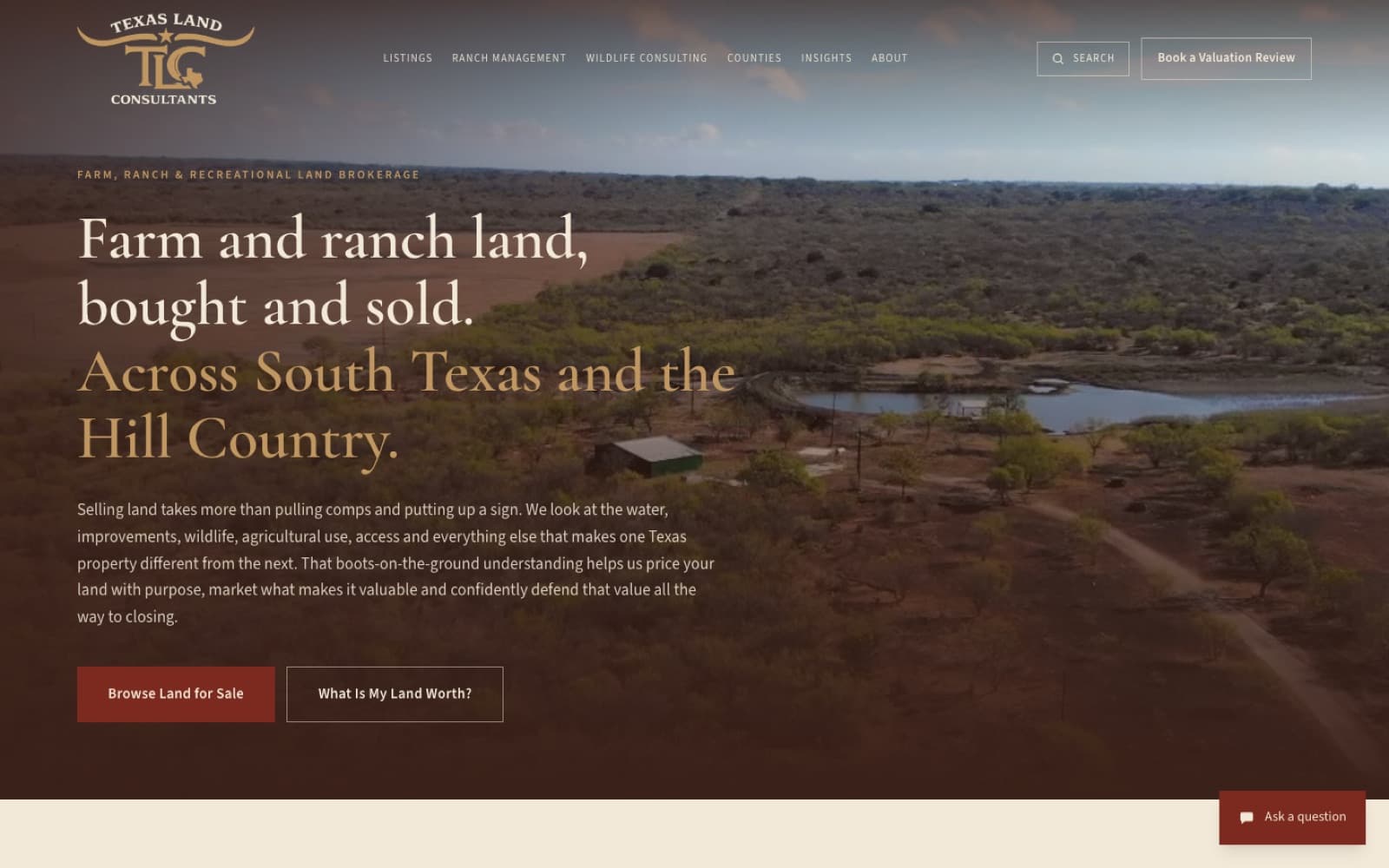
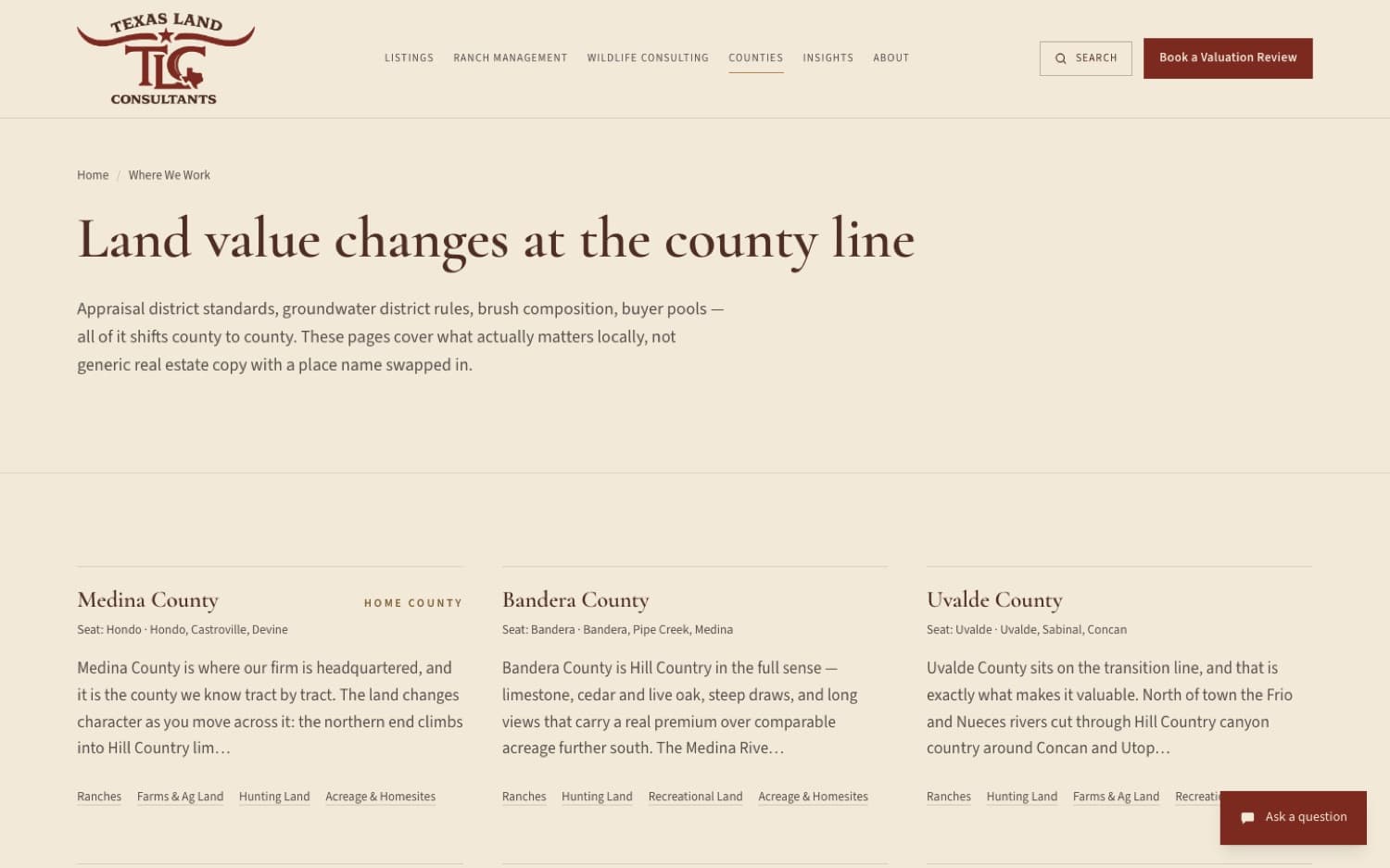
Farm, ranch and recreational land brokerage: an MLS-fed listings search, county-by-county guides, and ranch management and wildlife consulting, with a land valuation request built into the funnel.
A software company. We build and operate our own products, and we take on a small number of custom builds a year for companies in the property industry. We are not a general web shop.
For a custom system, the software is yours and it is written into the agreement before work starts. For our products — Facreo CRM and Property Passport — you license software we maintain, which is why there is no build cost.
Products are priced monthly by seat band rather than per user, so adding an admin does not change your bill. Custom systems get a fixed quote after the mapping stage, never an open hourly meter.
Most custom systems run four to twelve weeks from first conversation to production. Getting onto one of our products is measured in days, and we handle the data migration.
No. Migration keeps contacts, deals and follow-up sequences intact — that is the part most migrations get wrong, and it is the part we test first.
Our products are built specifically for property. We occasionally build custom systems for adjacent businesses, but the vertical focus is deliberate and we say no more often than yes.
Most conversations start with a process that has outgrown a spreadsheet. If that sounds familiar, we should talk.